Choose which cookies you allow us to use. You can update this at any time via the cookie settings link in the footer.
Strictly Necessary
Required for the site to function correctly. Cannot be disabled.
Analytics
Helps us understand how visitors use the site (Google Analytics 4). No personal data is sold.
Marketing & Advertising
Used for Google Ads and to serve relevant advertising. Requires your consent under UK PECR.
Training
Get the recovery right and you can keep setting personal bests well into your forties, fifties and beyond. Here's how training changes with age, how much rest you really need, and how to work with your body rather than against it.
The Ageing Runner
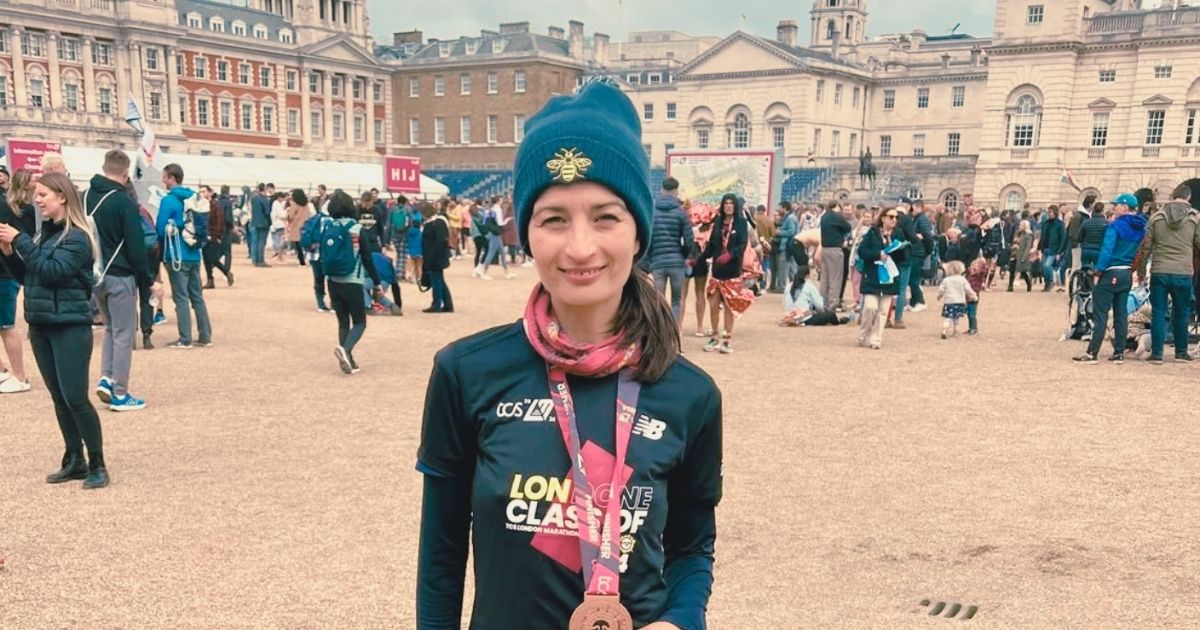
When I speak to masters runners about what might be holding them back, they'll often talk about not getting enough recovery. At the time of writing this, I'm 39 approaching my 40th birthday, so part of me feels like a fraud writing this. I can also relate, as I've noticed a real difference in my own training in recent years, more so in the last six months. The runs don't really change all that much, but what changes is how your body responds to them, and how long it takes to bounce back.
Ageing is a manageable process. Muscles repair a little more slowly. Maximal oxygen uptake gradually declines. Sleep quality tends to slip, especially with family and lifestyle changes. Tendons and connective tissue lose some elasticity, so they take longer to adapt to load. Hormonal changes affect how quickly you rebuild after hard efforts. None of this means you're past your best. My advice is not to fight it and instead train smarter, not simply harder. Plenty of runners I've coached set their fastest times in their forties, providing we build more recovery days into the plan and listen to the body.
"The runners who thrive as masters aren't the ones who train hardest. They're the ones who recover best between the sessions that matter."
One thing that's taken me a while to learn is that the high, intense volumes of my youth and early 30s are not necessary or wise. Turning 40 isn't a signal to slow down or take a step back from running. It's a signal to train more intelligently.
How Much Recovery You Actually Need
There's no single number for how much recovery you need, because it depends on the individual: your history, your training age, your sleep, your stress and your genetics. But the general advice I give to runners I work with is that where a younger runner might absorb three hard sessions a week, many masters runners do better on two, with genuinely easy running in between. That extra day of easy or rest isn't lost fitness. It's the day your body adapts to the training stimulus.
The key shift I've had to make is a mental one. I've had to learn to stop measuring a week or a marathon build by how much hard work I crammed in, and start measuring it by how well I recovered between the important efforts. I'd much rather run 12 weeks at 80 miles a week than a few weeks at 100 and then a couple down at 40 because I'm carrying a niggle. A Strava graph shaped like a Disney World rollercoaster is not the sign of a well-managed masters build.

Practical Recovery Strategies
Sleep is where the real repair happens, and it's the most powerful recovery tool you have. It's also the first thing to slip with a busy life. Consistency of bedtime matters more than the occasional long lie-in. I take small steps like no work post 9pm, no matter how important it might feel. It helps me get a better night's rest.
The most common masters mistake is running easy days too hard, which leaves you under-recovered for the sessions that count. If it feels comfortable and conversational, you're doing it right. The pace on your easy days doesn't need to impress anyone or show off on Strava.
Rather than stacking two quality days back to back, give yourself an easy or rest day between them. That gap is where the adaptation lands. This is true for runners of all ages, but it becomes non-negotiable as a masters athlete.
Complete rest has its place, but gentle movement, a walk, a swim, easy cross-training, can aid recovery by keeping blood flowing without adding stress.
Strength training is no longer optional as a masters runner. It's an important tool for staying injury free. Regular strength work keeps tendons and muscles resilient, which reduces the niggles that force unplanned time off. A little mobility work keeps you moving well. For more on why speed and strength go hand in hand, our post on maintaining running speed after 40 goes deeper.
Eating enough, and most importantly eating soon after hard sessions, gives your body what it needs to rebuild. Masters runners who under-fuel recover poorly. If nutrition is an area you're unsure about, it's worth getting individual guidance rather than guessing. Our coach Alan Ladd is a fully qualified nutritionist and can help guide you if you need more support.
Warning Signs
Your body will tell you before your training log does. Watch for persistent heavy legs, a resting heart rate that's higher than normal, disrupted sleep, low motivation, small niggles that won't settle, or paces that used to feel easy suddenly feeling hard. One off day is nothing. A run of them is a signal to back off before it becomes an injury or a period of burnout.
The runners who stay healthy are the ones who act on these signals early, not the ones who push through and pay for it later.
Where a Coach Comes In
The hardest part of recovery isn't knowing you need it. It's judging how much, and when, for you specifically. That's exactly what a coach is for: reading your data, spotting the early signs of fatigue, and adjusting your week before a niggle becomes an injury. A good plan for a masters runner is a living thing that flexes around your recovery, not a fixed template you force yourself through.
That's the approach we take with the masters runners we coach. Structured, progressive training built around how your body actually recovers, with a real coach watching the signs so you don't have to guess. Our dedicated masters running coaching programme is built around exactly this principle.
Common Questions
It varies runner to runner and there is no golden rule, but many masters runners do best with two quality sessions a week, with easy running or rest in between, rather than three. The right number depends on your history, sleep and stress, which is why individual guidance beats a generic plan.
Often, yes. Recovery takes a little longer with age, so an extra easy or rest day between hard sessions frequently produces better results than adding more volume. The aim is to fully absorb your key sessions, not to do more of them.
Absolutely. Plenty of runners record their fastest times in their forties and beyond. Consistent, well-recovered training is what makes it possible, which is why recovery matters more, not less, as you age.
Running easy days too hard. It leaves you under-recovered for the sessions that actually drive improvement. Genuinely easy easy days are the foundation of masters training.
Summary
Recovery is the secret weapon for masters runners, not a sign of weakness. Get it right and everything else in your training works better. Easy days feel easy again. Hard sessions land properly. Niggles settle before they become injuries. Personal bests remain firmly on the table, well into your forties and beyond.
If you'd like a structured, progressive plan built around how you actually recover, our masters running coaching programme is designed for exactly this. Get in touch if you want to find out whether it's the right fit for you.

Founder of JM Coaching, 2:08:45 marathon runner and Great Britain international. Coaching runners of all abilities since 2013. Read his full profile.
Structured recovery, smarter sessions, and a coach who watches the signs so you don't have to guess.
Masters Coaching