Choose which cookies you allow us to use. You can update this at any time via the cookie settings link in the footer.
Strictly Necessary
Required for the site to function correctly. Cannot be disabled.
Analytics
Helps us understand how visitors use the site (Google Analytics 4). No personal data is sold.
Marketing & Advertising
Used for Google Ads and to serve relevant advertising. Requires your consent under UK PECR.
Free Tool
Your carbs, gels, fluid and sodium, worked out for you
Take the guess work away from your marathon fuelling plan. Enter your goal time, your weight, how much fuelling you have actually practised and the conditions you expect, and this tool builds you a race-day fuelling schedule you can carry, along with the exact products to buy.

Your race
Goal finish time
Body weight
Used mainly for fluid and sodium. Carbohydrate is limited by your gut, not your size, but heavier runners burn more per hour so they sit higher in their range.
SexOptional
How much have you practised fuelling?
Be honest as this will help ensure your plan is designed for where you're at now.
Expected race-day conditions
How much do you sweat?
How do you want to carry your fuel?
Required field
Your race-day fuelling plan
For most runners in cool conditions, no. A marathon is short enough that you are unlikely to run into trouble from sodium alone, and a sports drink on course covers a fair amount of it.
It starts to matter when three things line up: warm weather, a long time on your feet, and a genuinely salty sweat rate. If you finish races with white tide-marks on a dark vest, or cramp has been a recurring theme, that is when I'd start to look in more detail at your sodium needs.
The important bit: you do not have to take this on during the race. Sodium can be preloaded. Drinking an electrolyte drink the evening before, and another over the course of race morning, gets you to the start line topped up rather than trying to claw it back at 30km with salt tablets. That is far easier on your stomach than forcing it down mid-race, and it is one less thing to carry.
| Per 500ml serving | Sodium | When I'd use it |
|---|---|---|
| Hydro Tabs | 260mg | Everyday hydration through the block, and the night before a cool-weather race. |
| Super Hydro | 750mg | The high-strength one. Heavy or salty sweaters, warm races, and anything over 90 minutes. |
| Super Carbs | 360mg | Race morning, because it brings 80g of carbohydrate along with the sodium. |
The figure in the tile above is an estimate built from your fluid volume and your own read on how much you sweat. Real sweat sodium varies from roughly 300 to 1,500mg per litre between individuals, so if you want a number rather than an estimate, I'd recommend a sweat test to get more accurate feedback.
Your fuelling schedule
| Cue | Roughly | Take | Running total |
|---|
I'd recommend practicing this schedule in training before hand. The more you practice the more confident you'll be heading into race day and one less thing to worry about. If you're concerned, consider writing this on your hand or a wrist band. Fuel at the marker, not between them, and take it as you approach a water station where you can, which is always nice to wash down the after tastes of a gel. I normally take a few mins to take down a drink or gel in a race.
A gel is a top-up and should not be considered a pre race meal replacement. I'd recommend taking the gel literally as you stand on the start line approx 5-minutes before the start of the race. If you've practiced in training before hand and feel confident you could also consider sipping on a high carb drinking during the morning before your race. Pre marathon I always try to eat 3 hours before the race. However this varies runner to runner and it's always important to practice in training or warm up races exact timings to see what works best for you.
As always, stick to foods you have already eaten before long runs throughout your training block, my go to is porridge, (oats) but you could consider toast and jam, a bagel, a scotch pancakes or whatever works for you. It's a marathon cliche but race morning is not day try experiment at the breakfast buffet and try a new brand of cereal, or more coffee than you normally drink. When traveling to race I take porridge pots as I know I can always locate boiling water when porridge might not be as readily available in different paces.
What to buy
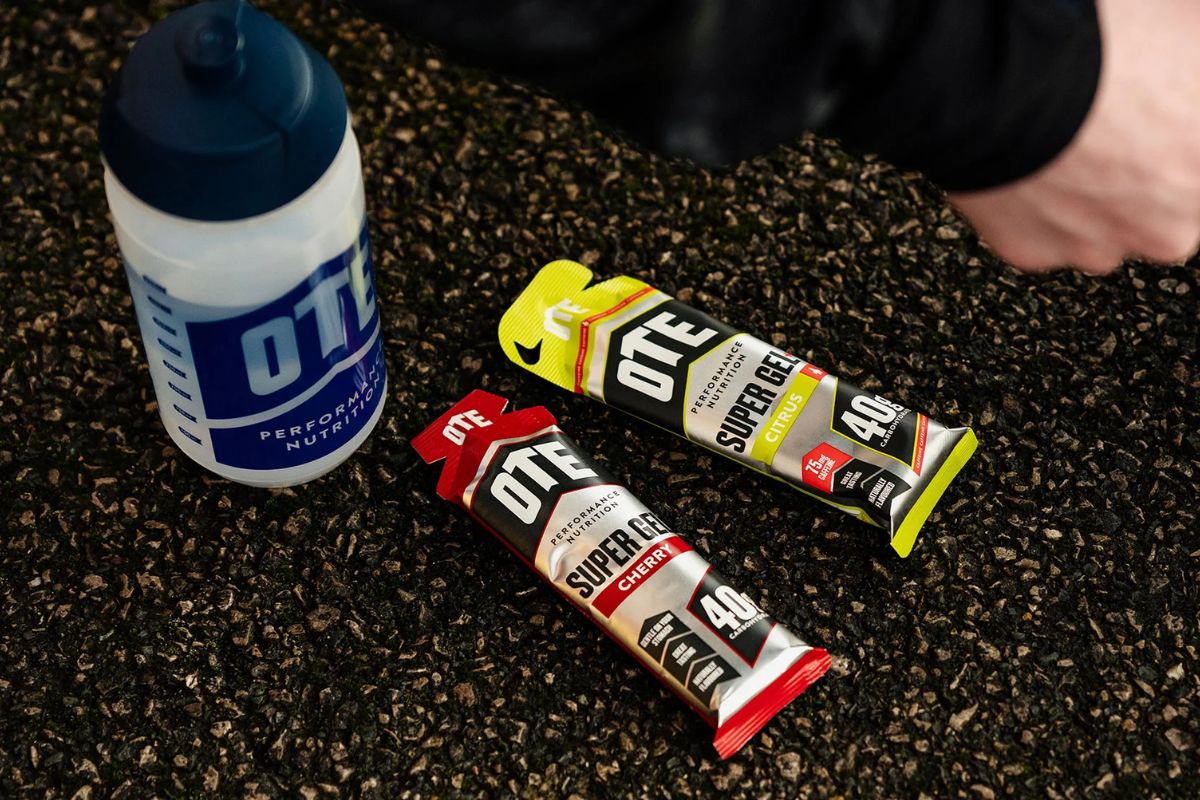
Three ways to hit the same carb target with OTE Sports. Every option below is Informed Sport batch-tested and uses a maltodextrin plus fructose blend, which is what lets you absorb more than 60g an hour.
OTE is what I (Jonny) uses and recommends from personal experience, so it is what this tool is built around. That is a preference, not a survey of the market, and it is not a claim that OTE outperforms everything else. For me personally and many of the runners I coach OTE is our go to gel/drink.
The targets above are brand-agnostic. If you already get on well with SIS, Maurten, Precision Fuel & Hydration, High5, Torq, Veloforte or anything else, take the g/hr figure and the schedule and buy whatever your stomach already trusts. Switching brands four weeks out to chase a marginal gain is a worse idea than sticking with the thing you have rehearsed.
The one thing worth looking for, whoever makes it, is a glucose-and-fructose blend rather than glucose alone. That is what makes anything above roughly 60g an hour physically possible.
How it works
Most fuelling advice stops at a range. "Take 60 to 80g of carbohydrate an hour" is correct, but it is also the reason so many runners get it wrong. A 55kg woman running a 4:15 marathon in the rain and a 90kg man running 2:55 in 20 degrees are given the same instruction, and it does not fit either of them and why I decided to put this guide together. My biggest piece of advice on all of the information I've shared in this tool is to make sure you practice in training. Not only will it help with training your gut to absorb fuel during the run, but it'll also help optimise recovery post run during training. I always notice the difference the next day after a long run when I've fuelled compared to runs when I've not been able to fuel as well. I always feel better on these days in comparison.
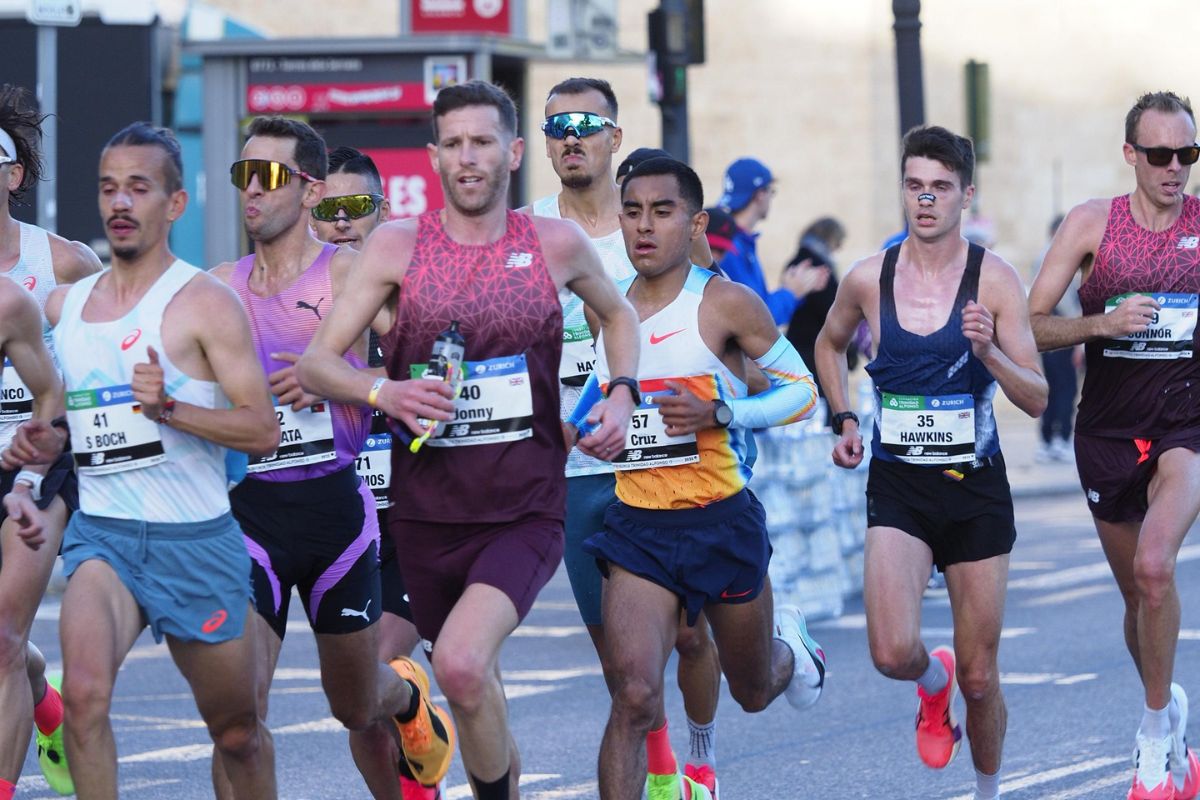
Carbohydrate. Your ceiling is set by gut absorption, not body size. A single glucose transporter saturates at roughly 60g an hour, which is why every product worth using blends glucose or maltodextrin with fructose: fructose takes a separate route and lifts the ceiling towards 90g an hour, and higher again in athletes who have deliberately trained for it. This calculator starts from what you have actually practised, adjusts for how long you will be out there, then nudges up or down for body mass because a heavier runner is burning more fuel per hour at the same relative effort.
Fluid. Sweat rate varies enormously between individuals, far more than carbohydrate needs do. The figure here is a planning estimate from body mass, temperature and your own read on how much you sweat. Treat it as a ceiling to plan around rather than a quota to force down. Drinking to thirst remains the safest default, and drinking substantially more than you sweat is more dangerous than being slightly dehydrated.
Sodium. Sweat sodium concentration is highly individual, roughly 300 to 1,500mg per litre. Heavy, salty sweaters, the ones who finish with white rings on a black vest, sit at the top of that range and are the runners most likely to benefit from deliberate sodium intake. If you want a real number rather than an estimate, a sweat test is the only way to get one.
As a reminder no calculator can replace practising in training. The plan this gives you is a starting point to rehearse in your long runs, not a script to follow blind on race day. If it makes you feel sick at 30km, the plan was wrong for you, and that is information worth having eight weeks out rather than on the start line. Take your time over the course of a marathon build up to buildup tolerance. Don't necessarily think you need to start at week one of a marathon build that you need to be taking on 75g per hour as an example. I tend to start off at around 40g an hour and gradually over the course of a marathon build get to around 80g per hour.
Benchmarks
If you would rather sanity-check the output than trust it blindly, here is roughly where each finish time lands. These assume a runner of average build who has practised taking fuel on the run.
Sub 3:00 Marathon
80–100g carbs per hour
Roughly 240 to 300g total. High intensity means high carbohydrate cost, and you are only out there for three hours so there is little time to make up a shortfall. Expect 6 to 8 high-carb gels, or a carb drink plus gels.
Practise this properly
At this rate you are close to the limit of what the gut can absorb. It needs rehearsing at marathon effort, not just on easy long runs.
3:00–3:30 Marathon
70–90g carbs per hour
Around 230 to 300g total. The sweet spot for most well-trained club runners. Six to eight 40g gels, or a mix of gels and a carb drink, spaced every 20 to 25 minutes.
Watch the last 10km
This is where under-fuelling shows up. Plan your final gel for around 32 to 35km, not before.
3:30–4:30 Marathon
60–80g carbs per hour
Around 240 to 340g total. You are out there longer, so the total is high even though the hourly rate is more moderate. Carrying it all becomes the practical problem, which is where a carb drink earns its place.
Take fluid seriously
Four hours of sweating adds up. In warm conditions this is the group most likely to finish meaningfully dehydrated.
Half Marathon
30–60g carbs per hour
Under 90 minutes you have enough muscle glycogen to get round, so fuelling is a performance edge rather than a requirement. Two to three gels is plenty. Over two hours, treat it like a short marathon.
Do not over-complicate it
A gel 15 minutes before the start plus one at 40 and 70 minutes covers most runners at this distance.
These ranges reflect current sports nutrition consensus, including the 2023 IOC and ACSM positions on carbohydrate for endurance sport and the multiple-transportable-carbohydrate research that underpins glucose plus fructose products. They are population guidance. Your own tolerance, established in training, always wins.
Beyond the gels
Carbohydrate gets all the attention because it is the number everyone talks about. During the course of a marathon build these three matter just as much.
01
Electrolytes start before the gun
An electrolyte drink the evening before a race and again sipping 500ml over the course of race morning will give you a great head start, rather than panicking with salt tablets at 30km because you're starting to cramp. Sodium is what makes the fluid stay in you rather than pass straight through. You can load it before the gun, so it never has to be one more thing to carry.
Hydro Tabs 260mg, or Super Hydro 750mg02
Recovery is key to run your best race
The gap between a good training block and breaking down is often down to under recovery. Twenty to twenty-five grams of protein plus carbohydrate within about half an hour of a hard long run is essential during your build up. Over twelve weeks of marathon training that adds up to a lot of sessions absorbed properly rather than missed training and inconsistency due to injury or illness as a result of inadequate recovery.
OTE recovery range03
Practise the plan, not just the distance
Most runners rehearse the mileage and improvise the fuelling. Don't leave it to chance and practice in training. Just like run training, gut tolerance is trainable, and finding out that 80g an hour makes you feel awful is genuinely useful information when there are eight weeks left to fix it.
See our marathon plans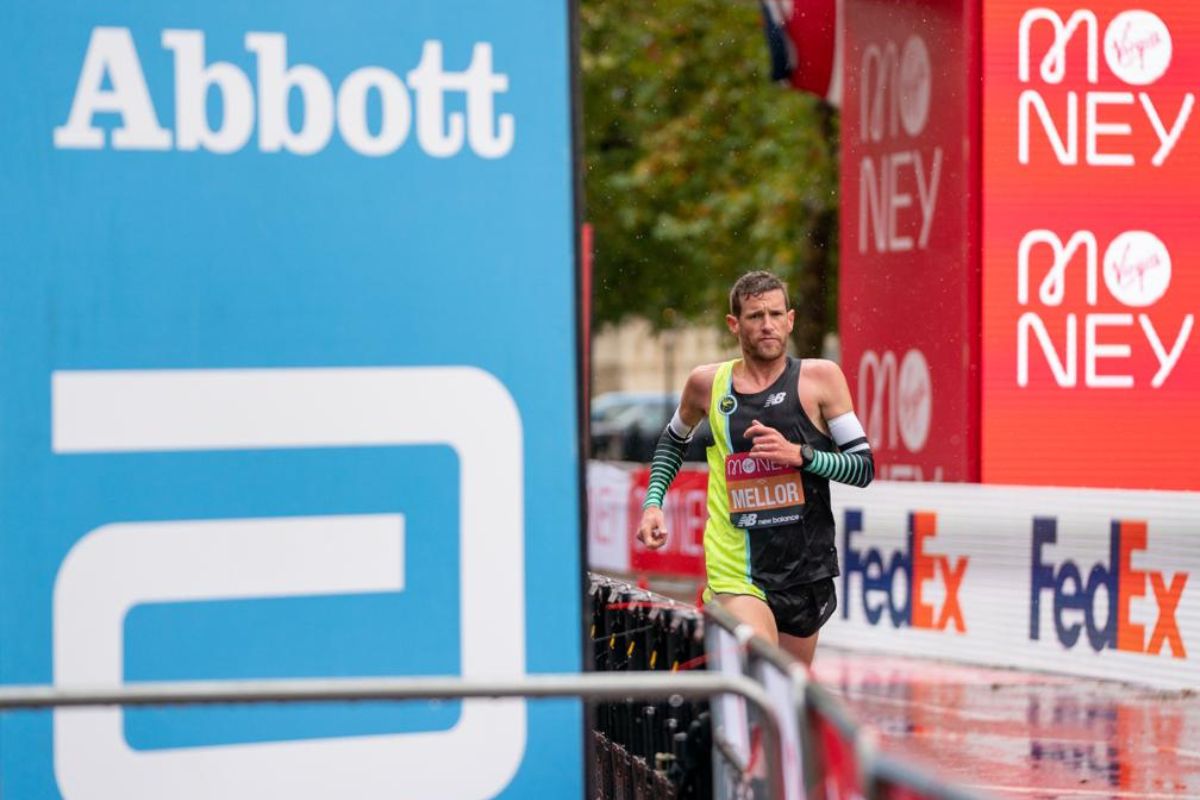
One more, which does not need a product: caffeine at roughly 3mg per kilogram of body weight, 45 to 60 minutes before the start, is among the best-evidenced legal performance aids in endurance sport. Around 200mg for a 70kg runner. Test it in training first, and skip it entirely if it upsets your stomach or your sleep. Worth also trying in training a caffeine gel to take at some point during the marathon. I try and get a caffeine drink or gel in at around the 30km mark personally.
The full kit
Rather than a pre race bundle I've put together a marathon training bundle of products I actually use in training to help fuel and aid recovery. This bundle gives you everything you need in training to help you prepare for your goal race.
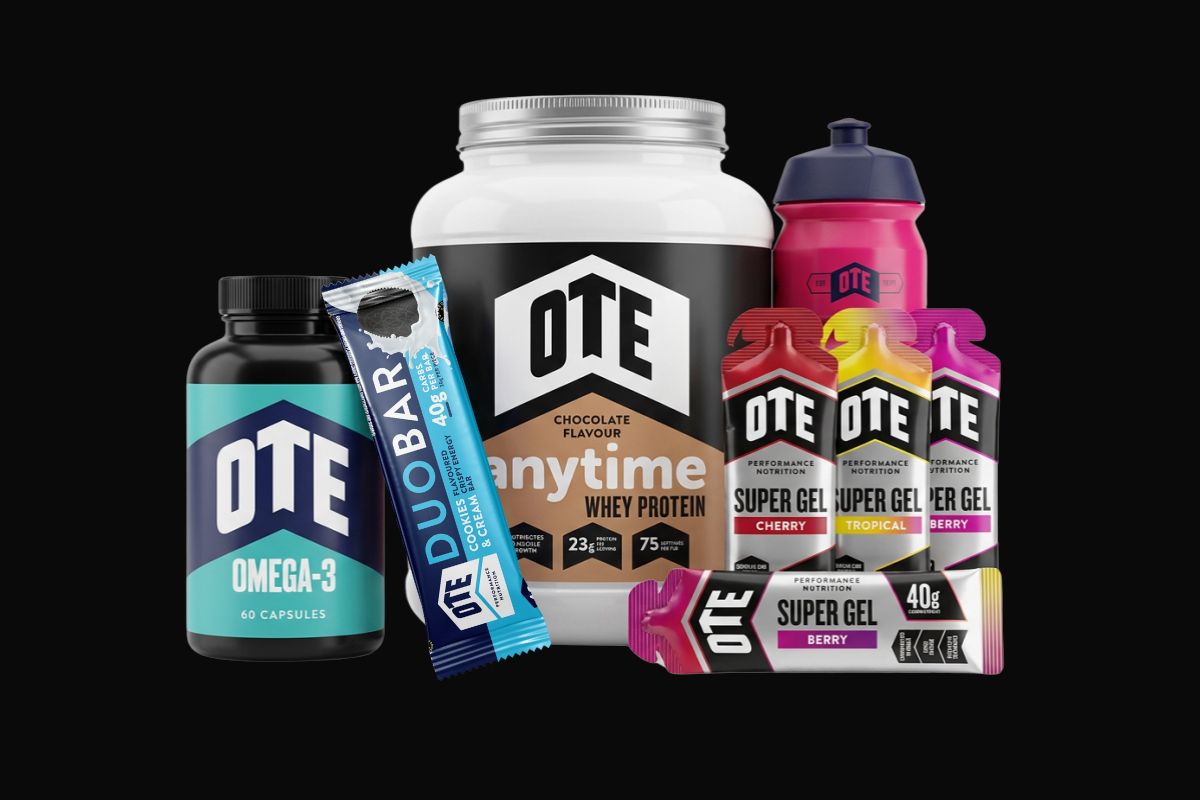
Weeks 1–11 — training and rehearsal
| Product | Why it's in here | Price |
|---|---|---|
| 36 Mixed Super Gel Pack | Thirty-six 40g gels is roughly three per long run across the block, which is what it takes to actually train your gut rather than hope on the day. Three flavours so you find out what you can enjoy most. My personal favourite is Tropical!Tropical, Cherry & Berry | £76.14 |
| Anytime Whey Protein | Whilst I'd always recommend maintaining a healthy balanced diet, this is a great way to recover post training in the 30-60mins after hard training or a long run. | £40.00 |
| Omega-3 Fish Oil | Daily support for joints and general health when the mileage climbs. Informed Sport tested. I've noticed benefits to my joints and immune system since taking Omega 3. | £15.00 |
| Hydro Tabs | Everyday hydration and the hot midweek sessions. Twenty tabs a tube, so keep one in the kitchen and one in the kit bag. | £8.00 |
| Cookies & Cream Duo Bar | 40g of carbs and my go to pre long run or session approximately an hour before. Taste great also!Pack of 3 | £8.26 |
| Hup Hup Bottle, 750ml | A statement bottle you won't miss! Perfect to keep on your desk at home to make sure you're drinking throughout the day and not just in and around training. | £7.00 |
Race week
| Marathon Race Day Bundle | Six Super Gels, a caffeine Super Gel+, two Super Carbs sachets, a bottle, Hydro Tabs and a Duo Bar. Already 22% off as a bundle, and it covers carb loading, race morning and the finish line in one box. | £25.00 |
Daily supplements, weeks 1–12
| RunnerVits Marathon Race Ready Bundle | Four daily supplements built for runners, morning essentials, pre-race performance, joint support, and recovery and sleep. Cologne List tested so you know exactly what you're taking.Use code JM10 at checkout for 10% off | £86.99£78.29 |
You do not need all of it. If the budget only stretches to one line, make it the gels. Rehearsing your fuelling is worth more than any supplement on this page. The race day bundle is the best value single purchase at £25. Everything else is a nice-to-have that makes a twelve-week block easier to get through. Note that the JM20 code applies to full-price items and generally will not stack on the already-discounted race day bundle, so the total above reflects that. Prices correct at the time of writing.
Disclosure. These are products Jonny uses and rates, chosen from personal experience rather than a survey of the whole market. Plenty of other brands make excellent gels, drinks and supplements, and the carbohydrate, fluid and sodium targets on this page work with any of them. JM Coaching may earn a commission on purchases made through the OTE links above, at no extra cost to you. JM Coaching may earn a commission on purchases made through the RunnerVits link. Supplements are not a substitute for a balanced diet. If you are pregnant, taking medication, or managing a medical condition, check with a doctor or registered dietitian before starting anything new.
FAQ
Get started
A perfect fuelling plan will not rescue an inconsistent training block. If you want the training to match the fuelling plan, we offer one-to-one coaching and over 300 structured training plans across every major distance, delivered through TrainingPeaks and synced to your watch.