Choose which cookies you allow us to use. You can update this at any time via the cookie settings link in the footer.
Strictly Necessary
Required for the site to function correctly. Cannot be disabled.
Analytics
Helps us understand how visitors use the site (Google Analytics 4). No personal data is sold.
Marketing & Advertising
Used for Google Ads and to serve relevant advertising. Requires your consent under UK PECR.
Racing
It is a question I ask myself frequently. The marathon holds a unique place in the running world. Growing up it was always something I wanted to do long term when I was learning my trade on the track and shorter distances. Now in 2026, why is everyone seemingly obsessed with running 26.2 miles?
The Question
Arguably the 1500m is a faster, more technical race, and arguably more enjoyable to watch, however the marathon continues to capture the imagination of runners and new runners alike. As someone who has spent years around the sport, as an athlete and coach, I have come to realise that the appeal of the marathon has very little to do with the distance itself and more to do with the challenge it represents.
"The obsession with the marathon is not really about 26.2 miles. It is about what the distance represents."
Reason 1
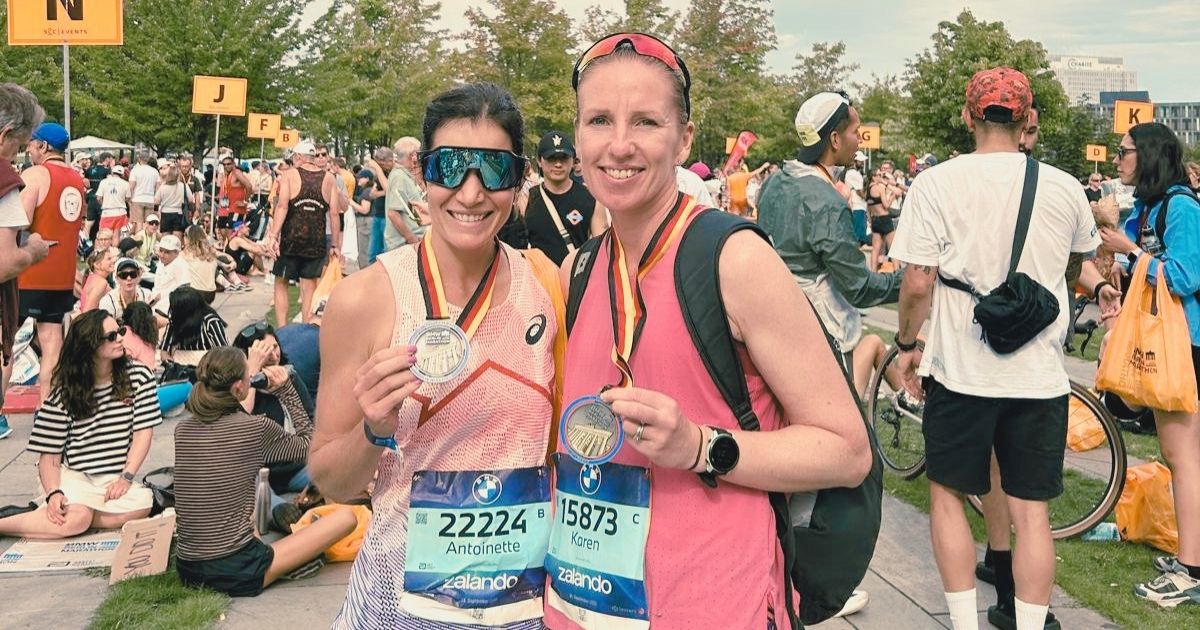
For most people, running a marathon feels impossible. The distance is long enough that it demands commitment, discipline, and months of preparation. Unlike a 5K or even a half marathon, you cannot simply rely on natural fitness to get you through it. You have to earn a marathon finisher's medal, and that is exactly why so many people are drawn to it.
The marathon represents a challenge that sits just outside most people's comfort zone, which makes it an incredibly rewarding achievement when completed.
Reason 2
Ask someone outside of the running community about race distances and chances are they will only know one: the marathon. The distance has become a cultural milestone. For many people, completing a marathon sits alongside climbing a mountain, learning a language, or travelling the world. It is something they want to say they have done at least once.
Sophie, my wife, was exactly the same. She enjoys the shorter distances but wanted to do a marathon, partly to experience it but also to tick a box and ultimately to say she had done one. She did also say, just the once, but all runners will know this is rarely the case. The marathon has transcended sport in recent years and become a bucket-list accomplishment.
Reason 3
One reason marathon running grabs people's interest is that it is not simply a test of speed. Success requires a combination of:
Many shorter races reward natural talent. The marathon rewards preparation and hard work over weeks and months. That is why runners from all backgrounds feel they have an opportunity to succeed through hard work and dedication.
Reason 4
The medal might get the Instagram post on the Monday, but the real experience happens during training. Over 12 to 20 weeks, marathon runners put the work in through a variety of conditions, pushing themselves towards the marathon finish line. Early mornings, weekend long runs, missed social events, and pushing through difficult sessions all build a level of resilience that carries into everyday life.
Unless you are very lucky, the chances are the marathon will also involve a lot of miles in your own head. Learning to push when you are tired and keep going when motivation is low are skills you can carry into everyday life. If you want a sense of what a sensible weekly structure looks like, our guide to marathon training on four days a week is a good place to start.
Reason 5
There is something special about 26.2 miles. Even among runners, the marathon carries a level of prestige. I even named my company after the distance, Run 26 Point 2 Ltd.
Everyone knows things can go wrong. You can train perfectly and still have a difficult day due to pacing mistakes, nutrition issues, weather conditions, or simply the physical demands of the event. That uncertainty creates a challenge that keeps runners coming back for more, even after bad experiences.
You cannot fake a marathon or do it off no training. You have to respect the work that goes into the preparation to truly enjoy the experience.
Reason 6
For some people, the marathon is about performance. For others, it is about proving something to themselves. Many runners use a marathon as a way to mark a significant life event, raise money for charity, improve their health, or regain confidence after a difficult period. The race becomes symbolic of something far greater than running itself.
That is why marathon finish lines are often filled with emotion. Every runner arrives with their own story.
Reason 7
There is no doubt that social media has played a role in the marathon boom. Training updates via Strava, race medals, finish-line photos, and stories of personal transformation inspire others to take on the challenge themselves. Seeing ordinary people complete extraordinary goals makes the marathon feel achievable.
While social media can sometimes create unrealistic expectations, it has also introduced thousands of people to a sport they might never have considered.
A Note
It is worth remembering, you do not need to run a marathon to be a runner. Some runners prefer 5Ks. Others enjoy trail races, ultramarathons, track racing, or half marathons. There is no hierarchy of distances that determines your legitimacy as a runner.
The marathon is simply one event among many. However, its popularity stems from the fact that it combines accessibility with extraordinary challenge better than almost any other race distance.
Common Questions
People run marathons because 26.2 miles sits just outside their comfort zone. It is long enough to demand months of preparation, but achievable enough to feel possible with the right training. Most runners are drawn to it as much for what it represents, discipline, resilience and self-belief, as for the finish line itself.
The benefits of marathon running go beyond fitness. Runners typically gain improved cardiovascular health, better mental resilience, stronger daily discipline, better sleep and nutrition habits, and a sense of achievement that carries into everyday life. Many runners also use a marathon as a way to raise money for charity or mark a life event.
No. Plenty of people run their first marathon without any racing background. What matters is a sensible training plan of 12 to 20 weeks, enough time to build endurance safely, and the willingness to be consistent. You do not need to be fast, you need to be prepared.
Most marathon plans are 12 to 20 weeks long. Complete beginners often benefit from the longer end of that range, while experienced runners with a solid base can prepare in 12 to 16 weeks. The training window is designed to build endurance progressively while leaving time for a proper taper.
No. There is no hierarchy of distances that decides whether you are a runner. 5K, 10K, half marathon, trail and ultra runners are all runners. The marathon is popular because of what it represents, but you do not need to run one to be part of the sport.
Summary
The obsession with the marathon is not really about 26.2 miles. It is about what the distance represents. There are not many events where you can stand on the same start line as the fastest runners in the world. But if you were lucky enough to run the London Marathon in 2026, you did just that. You lined up under the same gantry as, at the time of writing, the marathon world record holder. You cannot do that in the 100m, or play alongside the best footballers in the world.
The marathon symbolises much more than the finish medal. It symbolises commitment, perseverance, self-belief, and the willingness to take on something difficult. Whether you are chasing a sub-3-hour finish, aiming to complete your first race, or simply curious about the distance, the marathon offers something few other sporting events can match.
That is why, decades after becoming a mainstream sporting phenomenon, runners are still obsessed with crossing that finish line.
If you are ready to give one a go, our coaching packages and training plans are built around getting you to the start line properly prepared, whatever your target.

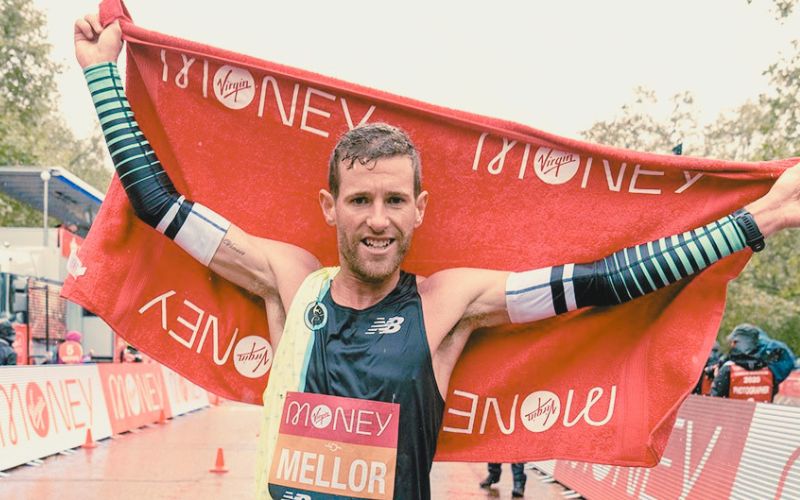
Founder of JM Coaching, 2:08:45 marathon runner and Great Britain international. Coaching runners of all abilities since 2013. Read his full profile.
A coach in your corner to get you to the start line prepared, confident and ready to enjoy it.
View Coaching Plans